A Slower Life in Italy Is Real, If You Choose the Right Place
Slow living in Italy is a small-town reality, not a national one. Where to find it, what a day looks like, the downsides nobody mentions, and how to make the move.
Few phrases sell Italy better than “la dolce vita”. Long lunches, an espresso at the bar, the evening passeggiata, a market on Saturday morning. For many people we help, the wish for a slower life is the real reason behind the move; taxes and visas come after.
The answer to the question is yes, but with two conditions. Slowness in Italy is local, not national: you will find it in a hill town in Umbria, not in Milan’s business district. And slowness is not selective: the same rhythm that gives you long lunches also governs the town hall, the plumber and the hospital waiting list.
Where Slowness Lives
Italy is the birthplace of the slow movement. Slow Food was born in Bra, in Piedmont, and in 1999 four towns (Bra, Greve in Chianti, Orvieto and Positano) founded the Cittaslow network, an association of small towns committed to quality of life, local food, walkability and heritage. Today it counts around 90 Italian members and more than 300 worldwide, almost all towns of a few thousand inhabitants.
That is the clue. Slow living in Italy is a small-town phenomenon. In Milan, people walk fast, eat quickly at lunch and work long hours; Rome and Naples are intense in a different way. The towns where life genuinely slows down are the ones where everyone knows the barista, shops close at lunchtime, and the main square is where the day happens. Our guide to living in a small Italian town explains how to tell a living town from a beautiful empty one.
What Slow Living Looks Like in Practice
The Other Side of Slow
This is the part that brochures leave out. Italian bureaucracy is slow, and it does not speed up because you are in a hurry. A residence permit can take months; a registration at the town hall requires a visit from the local police; a utility connection can take weeks. In smaller towns, public healthcare is good but specialists and diagnostics may involve waiting lists or travel to a larger city. Tradespeople are often excellent but busy, and work stops in August.
None of this is a reason not to come. But the people who are happiest with a slower life are those who accept that slowness cuts both ways, and who arrive with the paperwork prepared rather than discovering it on arrival.
Slower Does Not Mean Less Ambitious
Many of our clients keep working after the move, as remote employees, consultants or business owners. A slower town is often a more productive place to work: fewer distractions, a shorter commute, more time for family. The key is connectivity: check the broadband before you buy, and favour towns within reach of an airport or a high-speed train station if you travel for work. Our guide to the best places to live in Italy compares cities on these practical points.
Where to Start Looking
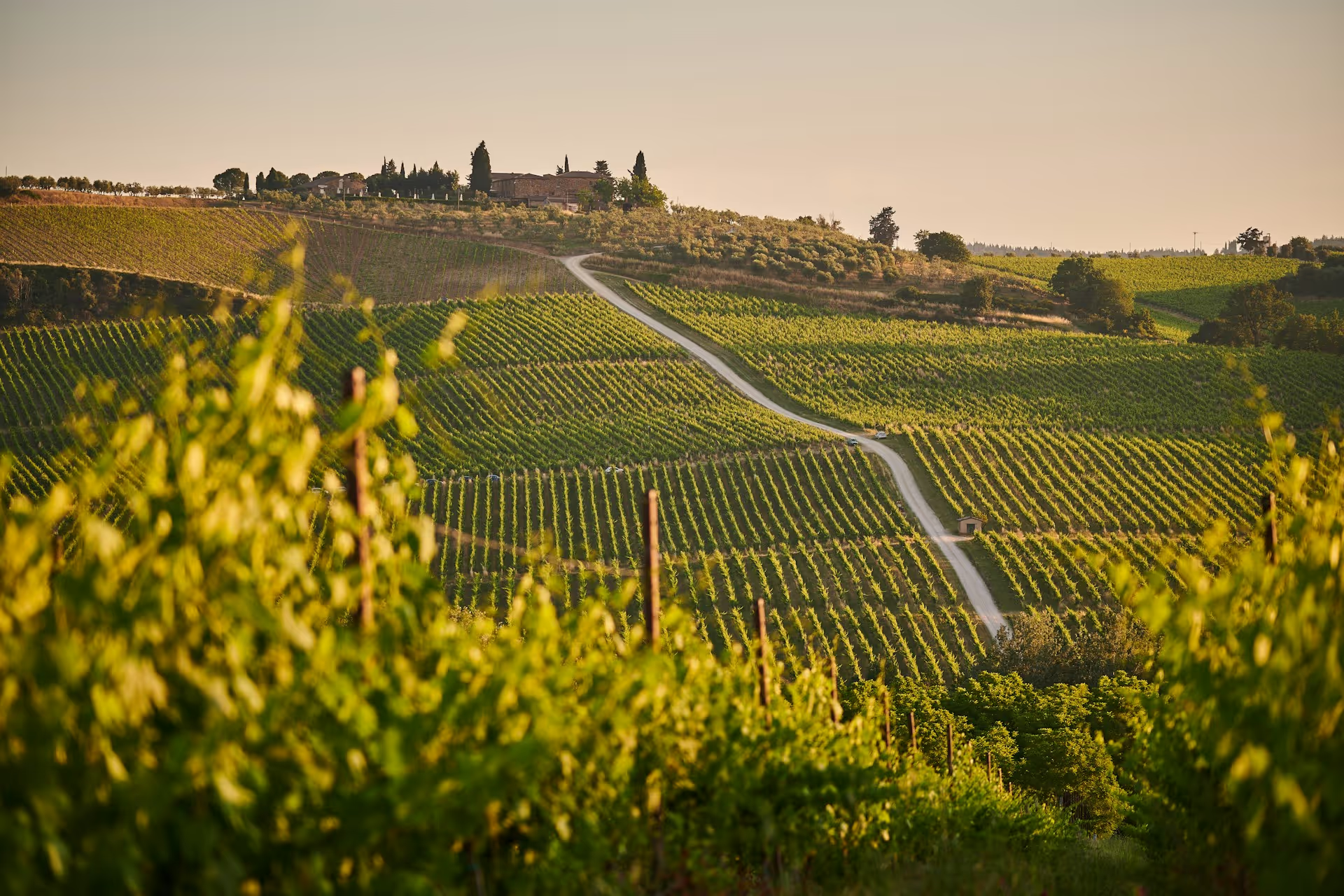
If slowness is the goal, start from regions and towns where it is part of daily life: the hill towns of Umbria and the Marche, the countryside of Tuscany beyond the tourist hotspots, the small towns of Piedmont’s Langhe, and the south, from Puglia’s Valle d’Itria to the baroque towns of Sicily. For retirees, many southern and central towns also qualify for the 7% regime on foreign income, which makes the choice between Sicily, Sardinia or Puglia worth exploring. The cost of living in a small town is usually well below the big cities, especially for housing.
The Practical Path
Non-EU citizens who want to live in Italy without working here usually come on an elective residence visa, which requires stable passive income. EU citizens simply move and register as a resident. In both cases, renting for a season before buying is the best way to test whether a town’s rhythm suits you in winter as well as in summer.
Our View
A slower life in Italy is not a myth, but it is a choice of place, not of country. Choose a small town with a real community, prepare the paperwork before you arrive, and accept that the slowness you came for also applies to the town hall. Do that, and Italy delivers what it promises.
Frequently Asked Questions
Is life in Italy really slower?
In small towns, yes: long lunches, shops closing at midday, evening walks and a strong sense of community. Big cities like Milan are much faster.
What is Cittaslow?
An international network of small towns committed to quality of life, founded in Italy in 1999 by Bra, Greve in Chianti, Orvieto and Positano. Around 90 Italian towns are members.
What are the downsides of a slower pace of life in Italy?
Bureaucracy, repairs and some healthcare services can also be slow, and many businesses close at lunchtime, on Sundays and for part of August.
Can I work remotely and still enjoy a slower life in Italy?
Yes, if you choose a town with good broadband and reasonable access to an airport or a high-speed train.
How can non-EU citizens move to Italy for a slower life?
Most retirees and people living on passive income use the elective residence visa; remote workers may use the digital nomad visa.

Avv. Marco Mesina
Founder, Move to Dolce Vita · Avvocato, Milan Bar (Ordine degli Avvocati di Milano)
Marco is an Italian tax lawyer who advises individuals and families relocating to Italy on tax regimes, residency, citizenship, real estate and succession planning. Before founding Move to Dolce Vita he worked at Watson Farley & Williams, Withers and Deloitte in Milan.
- Milan Bar
- Citywealth Top 50 Italian Advisors 2025 & 2026
- Profiled by Forbes (2024)
- English · Italian · Spanish