Living in Brera: Milan's Most Coveted District, Honestly
What it costs to live in Brera, Milan's historic art district, what daily life is really like, who it suits and which neighbouring areas may fit families better.
Every year a new list crowns a different Milan neighbourhood as the place to be. Brera never needs the list. Between the Pinacoteca, the Academy of Fine Arts and the narrow streets around Via Fiori Chiari, it has been Milan’s most romantic address for decades, and the one international buyers ask about first.
Brera is a wonderful place to live for some people and an expensive mistake for others. This guide is about the difference: what life there is really like, what a flat costs, and who should look a few streets further.
What Brera Is, and What It Is Not
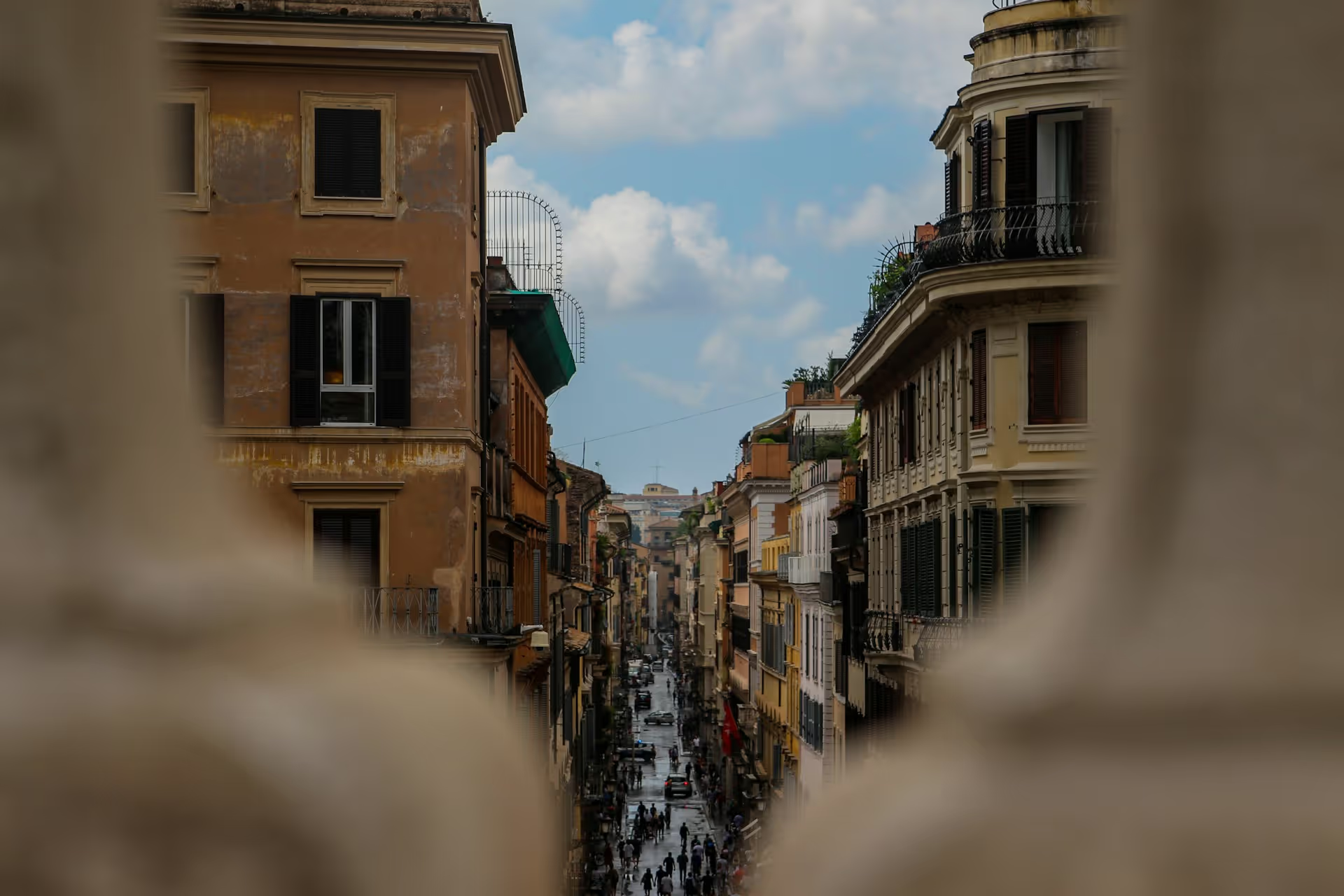
Brera is small: a few dozen streets between the Castello Sforzesco, Via Manzoni and Corso Garibaldi. It has the feel of a village inside a business capital: art galleries, antique shops, small restaurants, the Orto Botanico behind the Pinacoteca, and the Academy students who still give it life during the day. In the evening it fills with people coming for an aperitivo or dinner, especially from Thursday to Saturday.
It is not a quiet residential district, a family suburb or a place to find space. For those, our guide to Milan’s neighbourhoods compares the alternatives.
What It Costs
According to recent market estimates, asking prices in Brera were around €12,000–15,000 per square metre in 2026, up from about €11,000–13,500 in 2024, against a Milan average of roughly €5,500–6,000. A renovated two-bedroom flat of 100 m² therefore easily exceeds €1.3 million; top-floor apartments with terraces are priced well above that. Rents follow: a furnished one-bedroom flat often costs €2,500–3,500 a month.
Living There Day to Day
The advantages are obvious: everything is on foot, from the Duomo to the Corso Como area; the metro stations at Lanza, Moscova and Montenapoleone are minutes away; restaurants and shops are excellent; and the address has a social and cultural value that few places in Europe can match.
The drawbacks are less often mentioned. Many buildings date from the eighteenth and nineteenth centuries, with beautiful courtyards but limited parking, small lifts or none, and old heating systems. Parts of the area are within Milan’s restricted traffic zones. Evening noise in the busiest streets can last past midnight. And because supply is so limited, the best flats are often sold privately before they reach the portals.
Who Brera Suits, and Who It Does Not
Brera suits couples and singles who want to live in the centre of everything, people who use Milan as a base and travel often, and buyers looking for a prestigious pied-à-terre. It suits less well families with young children, who usually prefer more space, green areas and proximity to international schools; people who need parking and drive daily; and investors chasing yield, since prices are so high that rental returns are among the lowest in Milan. For investment logic, our guide to investing in Milan property explains where yields are better.
The Alternatives Next Door
Buying in Brera
A purchase in a historic building deserves more checks than usual. Have the property checked by a lawyer and a technician before signing a purchase proposal: conformity of the layout with the cadastral and planning records, condominium debts and works approved, and any heritage constraints on the building. Understand the taxes on purchase, which differ significantly between a main home and a second home. And because the best flats rarely reach the portals, working with someone who knows the local market makes a real difference.
For high-net-worth families moving their residence to Milan, the choice of home is often tied to the tax plan, such as the flat tax for new residents. It is one of the reasons why wealthy families choose Milan, and why the property search and the tax analysis should start together.
Our View
Brera is not overrated; it is overdemanded. If you want to live inside Milan’s cultural heart and can accept old buildings, nightlife and very high prices, few places in Europe compare. If you need space, parking and quiet, you will be happier a few streets away. Decide what you need from the neighbourhood before you fall in love with the courtyard.
Frequently Asked Questions
How much does a flat in Brera cost?
Asking prices were around 12,000 to 15,000 euro per square metre in 2026, more than double the Milan average. A renovated 100 m2 flat easily exceeds 1.3 million euro.
Is Brera a good place for families?
It can be, but many families prefer nearby Magenta, Moscova or Porta Nuova, which offer more space, green areas and quieter streets.
Is Brera noisy?
Some streets are lively until late, especially from Thursday to Saturday. Visit a flat in the evening before buying.
Is Brera a good investment?
For capital preservation and prestige, yes; for rental yield, less so, because purchase prices are among the highest in Milan.
What should I check before buying in a historic building in Brera?
Planning and cadastral conformity, condominium works and debts, the heating system, the lift, and any heritage constraints on the building.

Avv. Marco Mesina
Founder, Move to Dolce Vita · Avvocato, Milan Bar (Ordine degli Avvocati di Milano)
Marco is an Italian tax lawyer who advises individuals and families relocating to Italy on tax regimes, residency, citizenship, real estate and succession planning. Before founding Move to Dolce Vita he worked at Watson Farley & Williams, Withers and Deloitte in Milan.
- Milan Bar
- Citywealth Top 50 Italian Advisors 2025 & 2026
- Profiled by Forbes (2024)
- English · Italian · Spanish