Where to Invest in Italian Property in 2026: Five Regions, Five Strategies
Yields from 11% in Biella to 4.8% in Milan. Five Italian regions for five investment strategies, from maximum yield to capital preservation, and the risks of each.
Every year someone publishes a list of the best Italian regions to invest in, and every year it mixes up two very different things: where property earns the highest rent relative to its price, and where it holds its value best. According to idealista’s yield study for the third quarter of 2026, gross residential yields ranged from 11% in Biella and over 10% in Messina and Trapani to 4.8% in Milan and 3.9% in Bolzano, against a national average of 8.6%.
Those numbers do not describe a ranking. They describe a trade-off between income and safety. So rather than five “best” regions, here are five regions for five different strategies.
Five Regions, Five Strategies
Maximum Yield: Sicily and Calabria
The highest gross yields in Italy are in the south, where prices are lowest. Messina, Trapani, Catania and Reggio Calabria all exceed 9%. The trade-offs are real: thinner resale markets, more variable tenant demand, and practical issues such as water and access that matter as much as the walls. For an investor willing to manage locally, or to use a trusted agent, the income can be very attractive.
Balanced Returns: Piedmont and Liguria
The north-west offers something unusual: yields above 7% in large cities. Turin and Genoa combine real urban economies, universities and hospitals with prices far below Milan. Smaller cities such as Biella and Alessandria post even higher yields, with correspondingly smaller tenant pools. Much of the housing stock is old, so budget for energy upgrades.
Capital Preservation: Lombardy
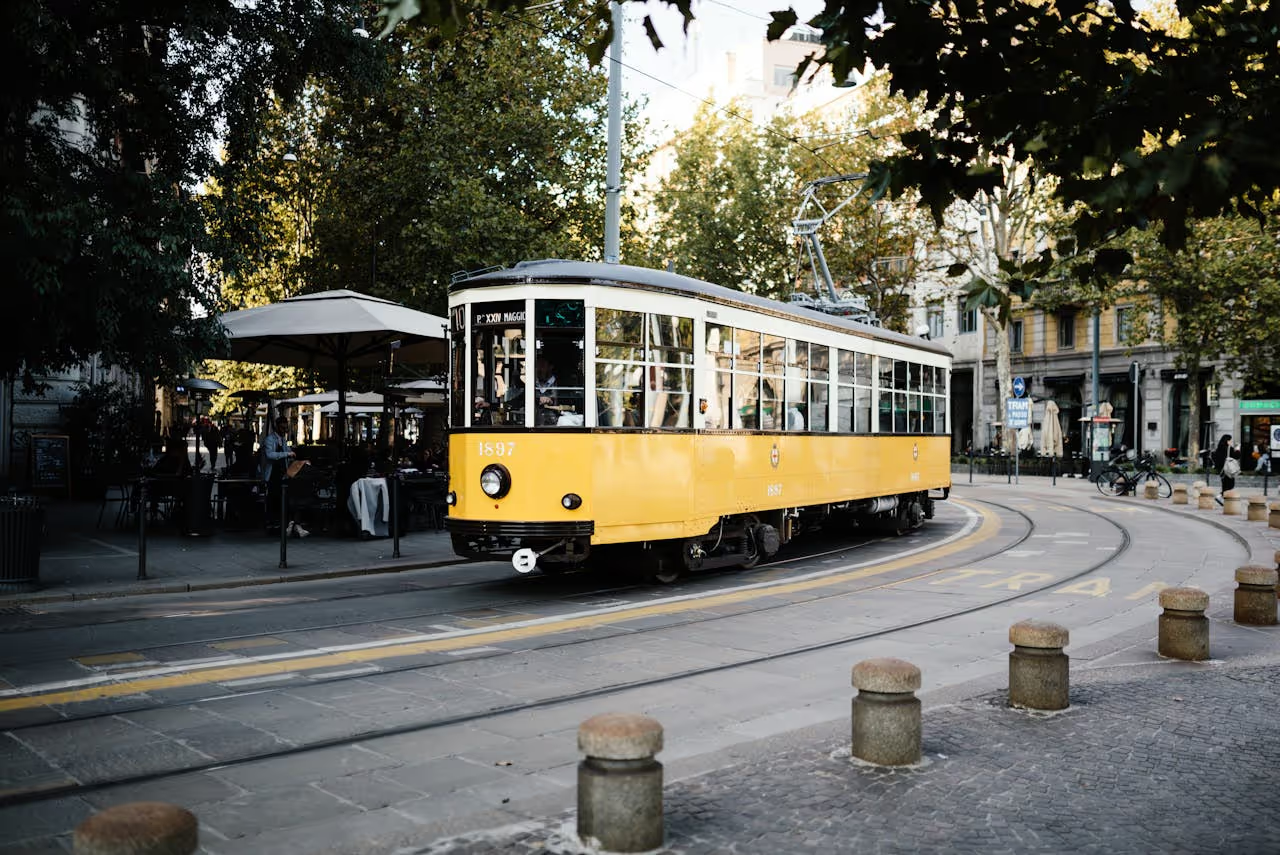
Milan is where you buy for stability rather than income. Yields of about 4.8% gross are among the lowest in Italy, but the market is deep, international and liquid, and prices have kept rising. Our guide to investing in Milan explains the supply squeeze and the risks of buying in recently authorised buildings.
What About Tuscany, Rome and Puglia?
They attract buyers for lifestyle more than yield. Rome (6%), Florence (5.4%) and the Puglia coast are beautiful places to own, but their returns are modest, and Florence has restricted new short-term lets across much of the city. Buy there because you want to use the property; treat any rent as a bonus.
Before You Invest Anywhere
Whatever the region: have the property checked by a lawyer and a technician before signing the purchase proposal; understand the tax side of letting, including whether to elect the flat-rate cedolare secca; decide whether to buy personally or through a company; and work with someone who knows the local market. And remember that real estate does not qualify for the investor visa: if residence is part of the plan, that route needs a different investment.
Frequently Asked Questions
Which Italian region has the highest rental yields?
Sicily and parts of Calabria and Piedmont: idealista recorded gross yields above 9% in Messina, Trapani, Reggio Calabria, Biella and Alessandria in late 2026, against a national average of 8.6%.
Is Milan a good place to invest in property?
For capital preservation and liquidity, yes; for income, less so, with gross yields around 4.8%.
Can I get an Italian visa by buying property?
No. Real estate is not a qualifying investment for the investor visa.
Are holiday lets a good investment in Italy?
Less than they were. Several cities restrict new short lets, and the substitute tax rises to 26% from the second short-let property.

Avv. Marco Mesina
Founder, Move to Dolce Vita · Avvocato, Milan Bar (Ordine degli Avvocati di Milano)
Marco is an Italian tax lawyer who advises individuals and families relocating to Italy on tax regimes, residency, citizenship, real estate and succession planning. Before founding Move to Dolce Vita he worked at Watson Farley & Williams, Withers and Deloitte in Milan.
- Milan Bar
- Citywealth Top 50 Italian Advisors 2025 & 2026
- Profiled by Forbes (2024)
- English · Italian · Spanish